
The best time to visit Zanzibar for Mnemba reef trips
The best time to visit Zanzibar for a Mnemba reef trip is a choice between seasonal rainfall patterns and the conditions needed for the crossing and time in the water. January and February, together with June to September, are useful starting points for a drier-season shortlist. A dry forecast alone does not promise a comfortable boat journey or clear water around the reef.
Mnemba planning works better when the boat day remains flexible. Choose the activity first, whether a guided snorkel or a dive, and allow another possible day before leaving Zanzibar. Keep the route from the accommodation to the beach separate from the sea crossing; the Mnemba arrival guide explains those stages.
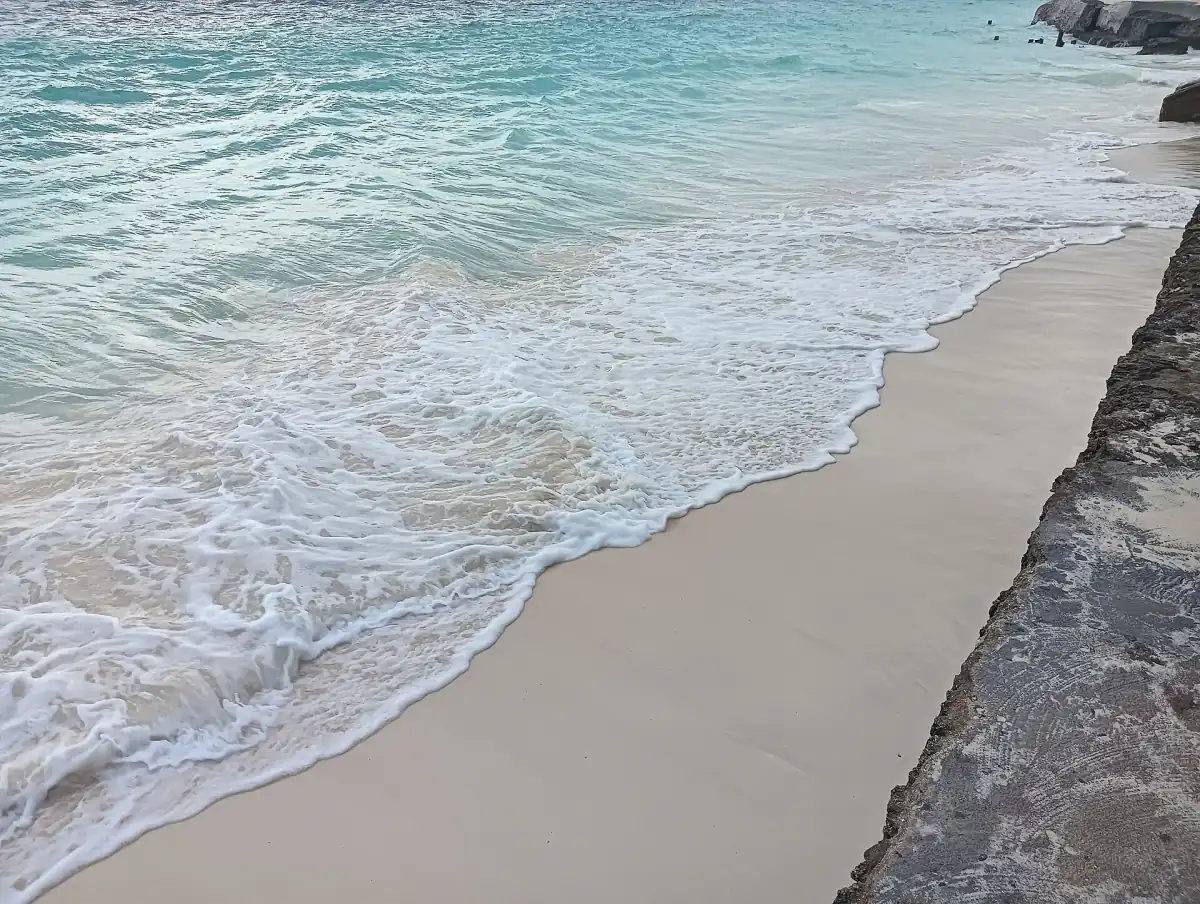
Drier months and the Mnemba rain seasons
Mnemba trip planning can use the rain seasons described for Zanzibar in the Tanzania Meteorological Authority's climate report for 2024: Masika runs from March to May and Vuli from October to December. The same report describes January and February as relatively dry and June to September as drier months. These are seasonal patterns, rather than a forecast for an individual departure.
Use that distinction when choosing dates. Someone prioritising fewer rain interruptions can start with the drier months, while a diver should also consider the operating experience of the dive team. A rainy-season date does not itself establish that the reef is closed, and a sunny date does not establish that the sea is suitable.
A tide-dependent dhow trip
This afternoon dhow trip includes two reef stops, with a sandbank visit dependent on the tide.
Hand-picked tours, booked through GetYourGuide. Prices are indicative starting prices in US dollars (as of November 2026). Tap a tour for live availability and the current price in your currency.
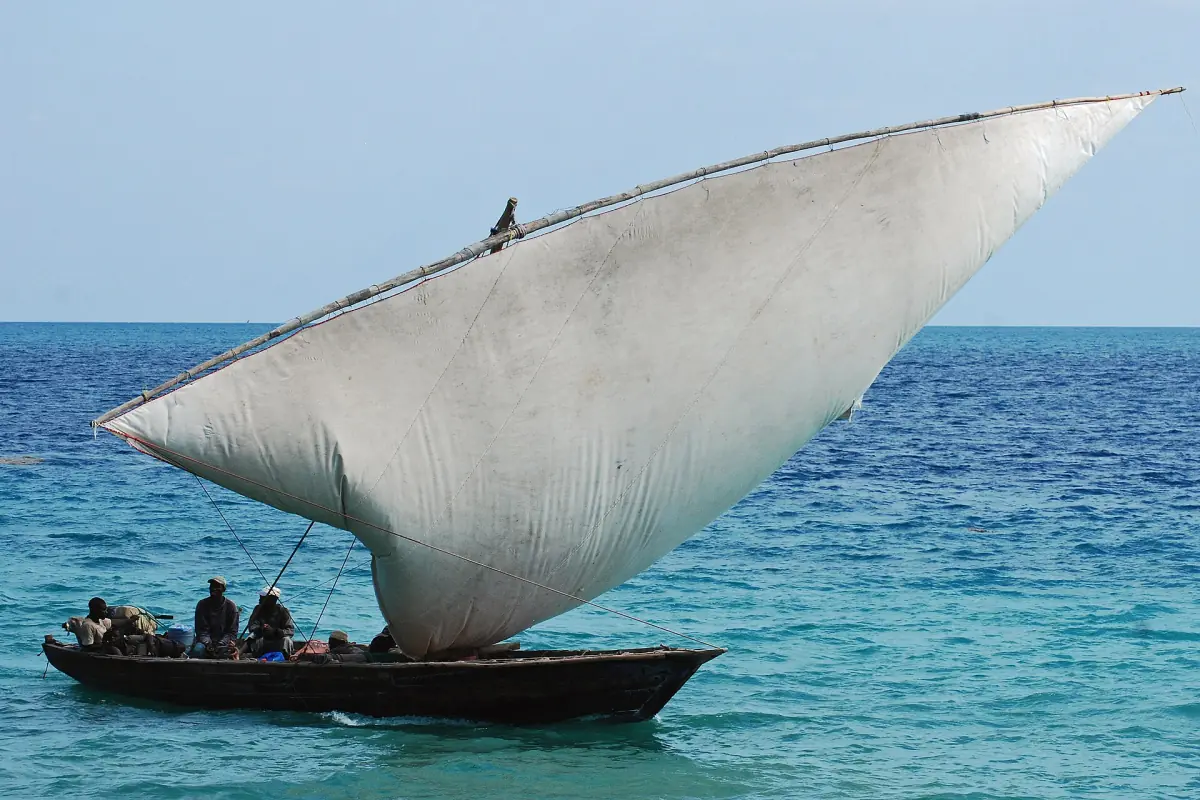
An afternoon dhow trip around Mnemba
The wooden dhow outing combines two guided reef snorkel stops with conservation fees; the sandbank depends on the tide and dolphins on natural appearances. Hotel transfer requires the transfer option.
Wind and waves matter more than air temperature for the boat
Mnemba boat decisions need the day's wind and sea conditions, because warm air does not describe the crossing. Local dive operating experience describes occasional chop from June to September and northern winds with rougher water and reduced visibility from mid-December to mid-February. These observations describe a business's experience, rather than a fixed marine-weather calendar.
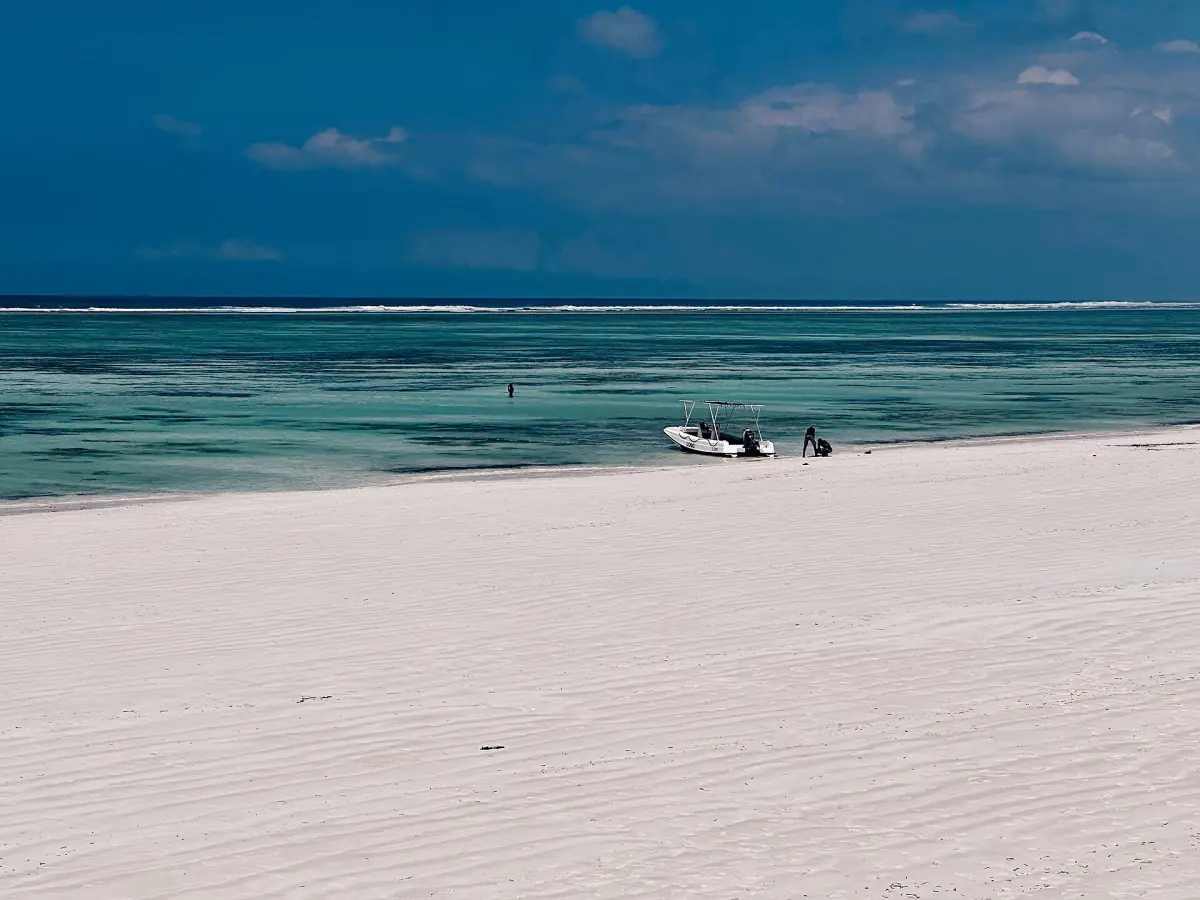
Keep swimming confidence in the decision too. Strong currents and busy boat traffic can occur around Mnemba, so follow the guide and stay with the group. Compare the departure arrangements on the Mnemba snorkelling and boat trips page instead of choosing a boat solely from a beach photograph.
Diving visibility is an operating observation
Mnemba diving conditions have been described favourably by a local operation from mid-February to April and from October to mid-December. Use that operating experience as a starting point when discussing visibility and site choice for the specific day. Experience, currents and weather remain part of the day's site choice.
Notice that some of those months overlap the rain seasons. Underwater suitability and a dry afternoon ashore answer different questions. The Mnemba diving guide separates site descriptions from personal experience requirements, so a seasonal preference does not become a promise about a dive.
Tides and the Mnemba sandbank
Mnemba sandbank visits depend on the tide, and the sandbank can be under water at high tide on some days. Northern boat routes can also change with water level: a local operation describes taking an outer route at low water and a shortcut at high water. Tide therefore affects more than the photograph at the stop.
Use local information for the actual departure date rather than calculating a beach meeting time from the moon phase. A general tidal cycle is not a Mnemba timetable. Treat reef snorkelling as the core of the outing and a suitable sandbank stop as a conditional addition.
December and an afternoon dhow departure
Mnemba trips in December need attention to both Vuli rainfall and the possibility of northern winds later in the month. The afternoon dhow outing has two guided snorkel stops and a listed duration of 3 to 5 hours. Its meeting point is Muyuni Beach; hotel collection belongs to the hotel-transfer option.
The dhow includes masks and fins, life jackets, a briefing, fruits, drinks and conservation and entrance fees. Meals are excluded. Dolphin spotting depends on animals appearing, and the sandbank depends on the tide. Choose the afternoon for the programme itself; a sunset view is not a promised part of the booking.
Changing a Mnemba trip when the weather is unsuitable
Mnemba rebooking should start with the booked trip's weather, cancellation and change terms. Ask how a weather-related cancellation is handled and whether another departure can fit the remaining stay. Leave room around the boat day rather than treating it as an immovable connection before a flight.
Keep a possible replacement day in the same coastal base where practical. The Mnemba accommodation guide explains how Matemwe, Nungwi, Kendwa and Stone Town differ for reaching a departure. An accommodation's arrangements and a boat's operating decision are separate matters.
Plan the Mnemba boat day
Mnemba departure, activity and accommodation choices can be planned together.
Questions about timing a Mnemba visit
Mnemba timing is easier to plan when seasonal preferences stay separate from the day's departure decision.
Does dry weather guarantee calm water at Mnemba?
No, dry weather at Mnemba does not guarantee calm water. Local dive operating experience includes occasional chop in the drier months from June to September. Use the day's marine conditions and the crew's departure advice, and consider swimming confidence alongside the amount of rain expected ashore.
Can a Mnemba sandbank stop be guaranteed?
No, a Mnemba sandbank stop depends on the tide, and the sand can be submerged at high water on some days. Choose a reef outing whose main activity suits the group even without that stop. The afternoon dhow also makes dolphin spotting conditional on animals appearing naturally.
How should December be planned for a Mnemba boat trip?
December at Mnemba combines the Vuli rain-season context with the possibility of northern winds from the middle of the month, according to local dive experience. Keep another possible boat day available, use conditions for the actual date, and choose the afternoon dhow for its reef programme rather than an expected sunset.